

The 'Forever Home' Phenomenon: A Paradigm Shift in Expat Real Estate Psychology

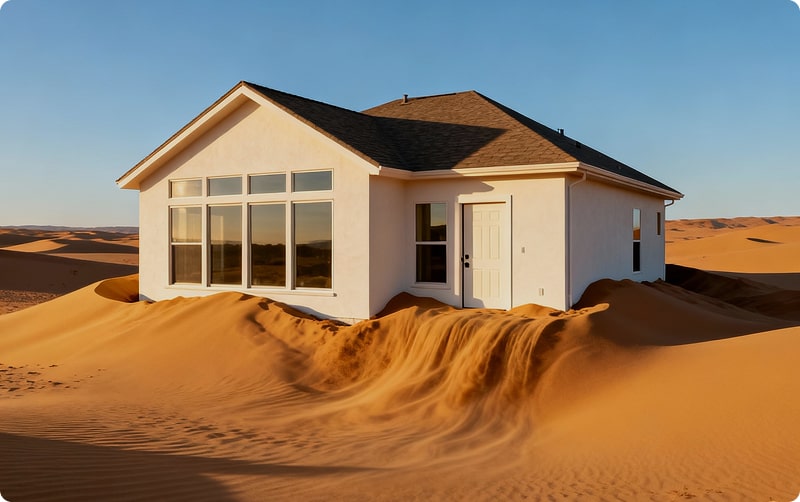
The UAE real estate market is undergoing a subtle yet profound transformation, moving beyond its historical reputation as a transient, speculative hub. A significant shift in expatriate psychology, accelerated by strategic government reforms, is fostering a nascent "forever home" culture. This paradigm shift is fundamentally reshaping market dynamics, moving the focus from short-term rental cycles to long-term sustainable homeownership.
The Policy Anchor: Golden Visas and New Realities
For decades, the UAE property market was characterized by a rent-and-leave mentality. Expatriates, who comprise over 80% of the population, faced an uncertain future tied to employment visas, making long-term asset acquisition a risky proposition. This dynamic fueled rapid boom-and-bust cycles driven by speculative, non-resident investors.
Recent legislative changes have provided the necessary anchors for stability. The introduction of the UAE's Golden Visa program, which grants 10-year renewable residency without the need for an employer sponsor, and related pathways to property ownership, have effectively de-risked long-term commitment. These policies have converted a transient workforce into potential stakeholders, offering security and a tangible path to permanent residence that was previously unavailable.
A Maturing Demographic
The demographic profile of the UAE is evolving. The market is attracting highly skilled professionals and affluent families who view the Emirates not just as a temporary savings destination, but as a primary, safe, and stable base of operations in a turbulent global landscape.
This maturing demographic is demanding a different kind of real estate product. The focus is shifting away from high-density urban crash pads towards family-oriented communities, sustainable living, and ample space. The rising popularity of suburban developments in areas like Arabian Ranches, Dubai Hills Estate, and Al Raha Gardens in Abu Dhabi reflects this demand for a lifestyle conducive to long-term family life, education, and community integration. This trend is a clear indicator that buyers are investing in a lifestyle, not just a short-term asset flip.
Economic Implications: Stability over Speculation
This psychological shift has tangible economic consequences. A homeowner base focused on long-term occupancy provides the market with an inherent stability that pure investors do not.
Reduced Volatility: "Forever home" buyers are less likely to panic-sell during market corrections, dampening the extreme price swings that historically plagued the market.
Rental Market Equilibrium: As more residents transition to ownership, pressure on the rental market may moderate in certain segments, leading to more predictable rental yields for institutional investors.
Infrastructure Demands: Long-term residents drive demand for robust community infrastructure -schools, healthcare facilities, and retail centers - which in turn attracts further institutional capital seeking stable, income-generating assets.
A Sustainable Trajectory?
The "forever home" phenomenon suggests a fundamental maturation of the UAE real estate ecosystem. The market is increasingly driven by end-users - families making a life here - rather than purely external capital chasing quick returns.
The challenge for the UAE government and developers now lies in balancing the pipeline of luxury supply with the genuine demand for attainable, family-centric housing that supports this long-term residency model. If the market can sustain this shift, the trajectory points towards a more resilient, less volatile, and ultimately more sustainable real estate market that mirrors the characteristics of mature global cities like Singapore or Sydney. The UAE is no longer just a place to work; for a growing segment of expats, it is now home.